

An Espresso Coffee Maker Brings a Cafe-Like Experience to Your Home
An espresso coffee maker can bring a cafe-like experience into your home. These machines make use of high pressure and temperatures to produce espresso. This concentrated drink is delicious and can be used to make drinks such as cappuccinos and lattes.
Choose an espresso maker with the features you want. Some models include a built-in grinder, milk frother and other tools that enhance the number of drink options you can create.
Selecting the Right Machine
The type of espresso machine you choose to use in a café can be a major factor when it comes time to make drinks that your customers will remember. It can be difficult to choose the right machine for your requirements with the many models available. When deciding on a model, be sure to consider aspects like ease of use and maintenance needs as well as any health regulations that may be applicable in your area.
The type of machine that you select will also have a significant effect on the final flavor of your coffee. Different kinds of machines extract espresso flavors in different ways, which could affect the sweetness, acidity and the body of the beverage. There are also variations in the ease with which the machine is to use and clean, particularly when it comes to cleaning and descaling.
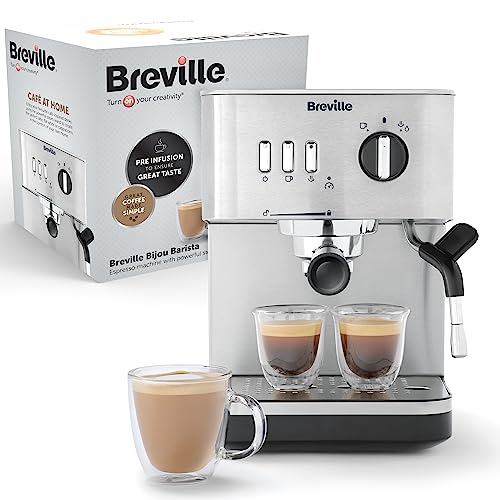
You should also think about how much time you'll need to dedicate each day to cleaning your espresso machine. Hard water tends to build up mineral deposits faster than soft or filtered, which can affect the frequency with which you descale your espresso machine.
It is also important to consider any special features that an espresso coffee maker might have. Certain models come with programmable coffee brewing functions or other features that can save time and effort. Others may be designed to work with specific milk products, or incorporate grinders and steam wands.
Espresso: How to Start
You can enjoy a cup of cafe-quality coffee at home with an espresso machine of good quality. In contrast to pour-over or automatic drip making, espresso utilizes high pressure to push steam through the grounds. This can add another brew variable to control and may create aromas and tastes that other methods aren't able to capture. However, espresso may be more difficult to prepare at home than other brewing methods.
The most important step to making a perfect shot is selecting the right beans, you'll also need to be aware of the size of the grind and the timing of your extraction. The ideal grind size is much finer than sugar granules, and the extraction time should range from 25 seconds. If your shot comes out too quickly, you'll need to adjust the grind size and reverse the process.
The color of your crema, or the thick layer of golden foam that forms on the top of a well-pulled shot, is an indicator of the quality. A light-colored crema could mean that your coffee is old or you're not producing enough pressure during brewing. A dark-colored crema could be an indication that your coffee has been over-roasted or burned as well, which can alter the flavor. If you can see "channels" in the grounds, this means that the grinder isn't tamping evenly. This can be fixed by using a better grinder, or using more the force of tamping.
Create Your Favorite Drinks
For espresso lovers an espresso maker that can be made at home is the best way to make a wide range of specialty drinks that can be made quickly and easily. The espresso coffee machine uses high pressure to force hot water into a bed of finely-ground roasted beans. This produces a stronger and thicker drink than drip coffee.
A good espresso machine can allow you to fine-tune the amount of water, grind texture and dosage for an optimal extraction every time. You should look for machines that have an intuitive display, which is simple to understand and gives you clear instructions on how to achieve the perfect espresso. A portafilter with adjustable settings to accommodate different sized espresso glasses is also a nice feature.
Once you've perfected the art of making a great shot, you can experiment with other drinks such as cappuccinos and lattes as well as indulgent desserts like affogato and gelato. If you don't have an espresso maker, you can make a variety of these drinks at home with the help of a high-quality coffee grinder and the container of cold brew or instant coffee.
A good espresso is the key to achieving the desired beverage. A quality espresso machine will give you shots that taste sweet, rich and smooth. Keep in mind that a perfect espresso requires 9 bars of pressure. Don't fall for the hype of manufacturers who boast about their machines in their ability to brew with 10 bar of pressure- that extra 3, 6, or 10 bars do nothing but increase the likelihood of a disappointing end result.
Make sure to keep Your Machine Clean
To make the best tasting coffee, you need a clean espresso machine. A dirty machine will cause bitter taste, clog drips and filters and require more frequent cleaning and descaling. The good aspect is that the procedure isn't difficult and can help your machine last longer. Follow the manufacturer's instructions important to get the most value from your investment.
Cleaning a basic espresso maker is as easy as washing the filter basket and water screen with warm, clean water. Certain parts of the machine such as the group head and portafilter will require cleaning more frequently depending on how often you use it.
At least once a week You should clean the group head and water screen with a brush and soapy hot water to clean any coffee residue. Every three to four months, it's recommended to backflush the espresso machine by filling the tank with white vinegar and ice water waiting for two hours before flushing the system with hot water to eliminate any remaining residue.
To clean espresso machine uk , disassemble it and clean all removable components with hot soapy water. Make sure to clean the drip tray every day, as it will accumulate coffee grounds and spilled water that can clog drains and attract pests. Be sure to keep a designated damp rag that you use to clean the steam wand to avoid cross contamination.